

In recent years, solar energy systems have emerged as a favored choice for property owners looking to reduce their energy bills and embrace eco-friendly practices. Imagine waking up each morning knowing that the energy energizing your home is gathered from the sun, a green and sustainable source. With leaps in innovation and subsidies becoming more widely available, there has rarely been a more ideal time to investigate the advantages of solar energy.
This article will journey through real stories of individuals and households who have made the switch to solar power. From understanding how solar panels work to evaluating the real costs and financial benefits, you will find comprehensive insights into the journey of adopting solar energy. Whether you are contemplating going solar for green objectives or just to cut down on utility bills, explore firsthand stories of how solar panels have improved lives and homes for the well.
Reasons to Invest in Solar Panels
Placing funds in photovoltaic systems offers significant financial benefits that can lead to substantial savings over the long term. By utilizing the energy of the sun, property owners can reduce their electricity bills significantly. Numerous solar panel systems enable homeowners to produce their own power, reducing reliance on the electricity grid and eliminating unexpected price hikes from utility companies. In addition, various government incentives and tax credits can ease the upfront costs, making solar panel installation an appealing financial decision.
Aside from short-term savings, solar panels can boost the value of a property. Have a peek here equipped with solar energy systems often command higher prices than those lacking them, as eco-friendly buyers seek properties that can help cut energy costs and promote environmental responsibility. This added value can be a persuasive reason for homeowners to consider solar panels as a durable financial option that enhances property value.
Environmental considerations also play a significant role in the decision to adopt solar panels. By transitioning to solar energy, homeowners can significantly reduce their carbon footprint and contribute to a cleaner environment. Using renewable energy sources helps lower reliance on fossil fuels, leading to reduced greenhouse gas emissions and a positive impact on the environment. This commitment to sustainability not only benefits the earth but also fosters a spirit of accountability and community engagement among solar panel owners.
Comprehending Solar Panel Technology
Solar panels transform solar energy into electricity through a method called the PV process. When sunlight hits the solar cells in the panels, it excites electrons, generating an electric current. Most domestic solar panels are made from materials such as silicon, which is known for its efficiency in collecting solar energy. In addition to the fundamental photovoltaic technology, advancements such as dual-sided panels that collect sunlight from both sides and flexible technology provide homeowners with multiple options tailored to their individual needs and roof styles.
The efficiency of solar panels plays a key role in establishing how much electricity they can create. Generally, monocrystalline panels offer superior efficiency rates and more space utilization compared to multi-crystal panels. However, poly-crystalline panels can often be more cost-effective and provide dependable performance. Homeowners should consider factors such as available roof space, cost, and power requirements when deciding on the suitable panel type. Recognizing the differences and advantages of various solar panel technologies is vital for arriving at an informed decision in solar energy.
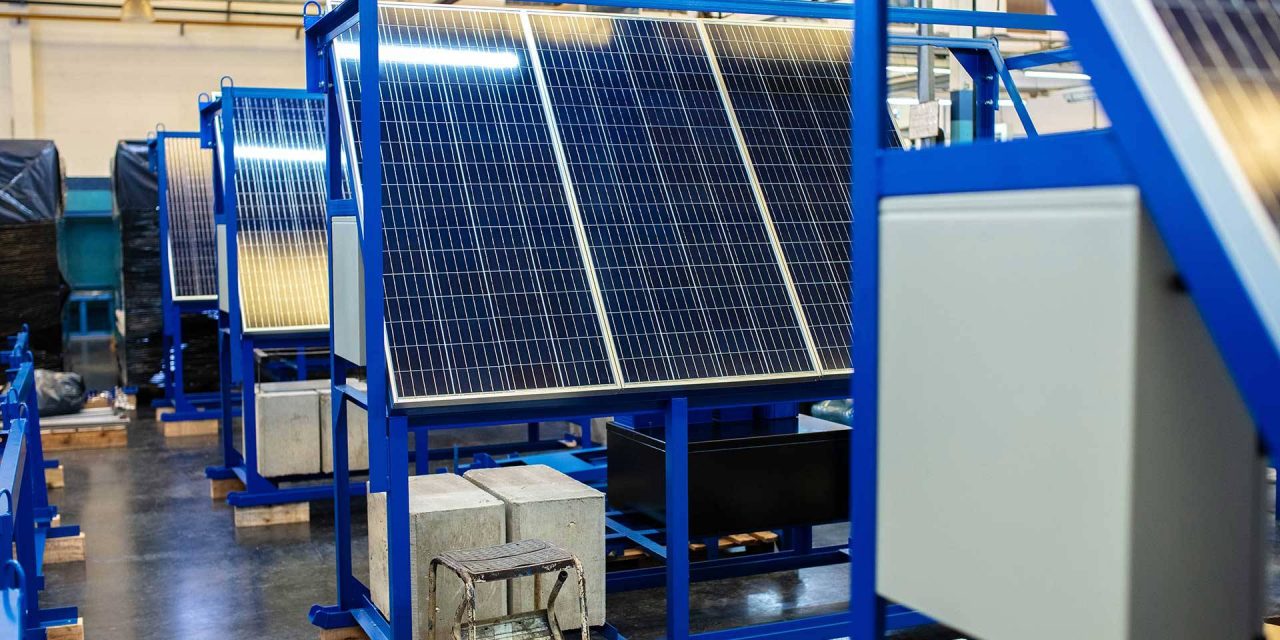
Moreover, the durability and durability of solar panels are important considerations. Most solar panels come with guarantees ranging from 25-30 years, but many can carry on to operate well after that, typically losing only a limited percentage of efficiency over time. Regular care can help extend their lifespan and performance, ensuring that homeowners enjoy long-term savings on their utility expenses. As technology advances, latest panels are becoming more sustainable and environmentally friendly, providing even more justifications for homeowners to think about moving to solar energy.
Economic and Ecological Impact of Solar Panels
Investing in solar panels constitutes not only a major economic decision but also a strong choice for the environment. Homeowners can anticipate seeing significant savings on their energy bills over time, often recouping their upfront investment within numerous years. Various financing options and government incentives can additionally enhance the financial feasibility of solar panel setup, making it a economically viable option for many. Moreover, as electricity prices continue to rise, having solar energy can provide long-term stability and predictability in energy costs.
From an environmental perspective, solar panels play a key role in lowering one's carbon footprint. By harnessing the sun's energy, households can lessen dependence on fossil fuels, thus leading to lower greenhouse gas emissions. This shift not only helps combat climate change but also contributes to fresher air and a stronger ecosystem. The collective effect of extensive solar adoption can lead to notable environmental benefits, as more houses transition to renewable energy sources.
In addition personal savings and environmental advantages, solar panels can enhance property value. Homes fitted with solar energy systems are often more appealing to purchasers, reflecting growing awareness and demand for sustainable living solutions. As more neighborhoods embrace solar energy, the positive impacts on both local economies and the planet serve as compelling reasons to think about this investment. The monetary and environmental benefits of solar panels create a compelling case for property owners looking to make a difference.