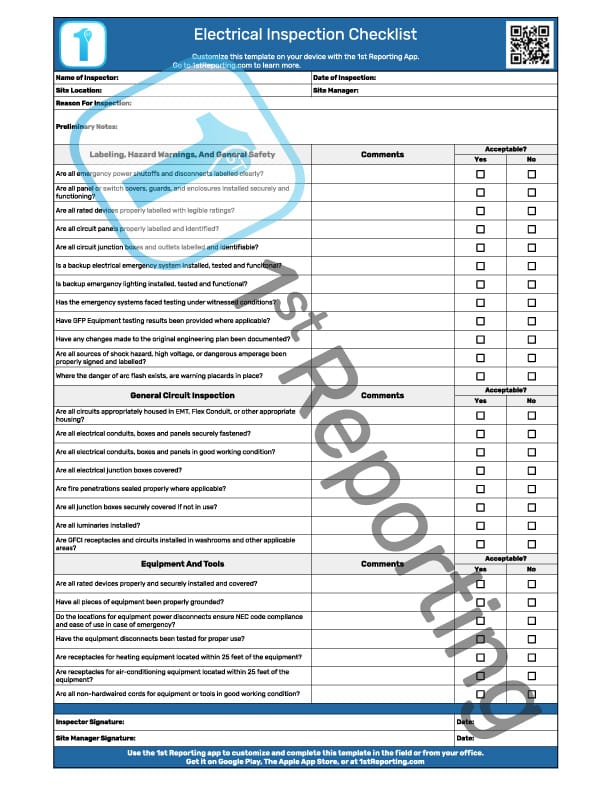
When it comes to ensuring a protected and well-functioning home or business, electrical inspections play a vital part that is commonly ignored. Numerous individuals might be unaware of what an electrical inspection entails and the reasons it is important, but the truth is that these assessments are crucial for confirming both adherence with safety standards but also the overall health of occupants. From identifying potential fire hazards to maintaining efficient energy use, the value of vigilant electrical inspections cannot be underestimated.
While delve deeper into this topic, we will look into recurring issues found during inspections, the necessary frequency for scheduling them, and how these evaluations safeguard families and assets alike. If you're a first-time homeowner, a veteran real estate investor, or a business owner, understanding the significance of electrical inspections can safeguard your assets and your loved ones. Join us as we reveal the surprising truth about the reasons these inspections matter in the contemporary landscape.
Importance of Electrical Assessments
Electrical evaluations are crucial for guaranteeing the safety and performance of electrical installations in both residential and commercial. They serve as a proactive measure to spot possible hazards before they escalate into serious issues. Routine inspections help find problems such as damaged wiring, antiquated elements, and non-compliance, which can pose significant risks, including electrical fires and equipment damage. By resolving these concerns swiftly, these evaluations play a critical role in preventing disasters and providing a safe environment for residents.
For homeowners, particularly those in historic homes, such assessments are essential for upholding the integrity of their electrical systems. Many aged houses may remain unchanged to meet contemporary regulations, likely putting residents at hazard. An evaluation helps assess whether the current electrical setup can handle modern demands and points out outdated components that may require renewal or modernization. This not only security but also enhances energy savings, leading to decreased utility expenses and a reduced carbon footprint.
The value of electrical inspections extends past well-being; they are also vital during home sales. Potential buyers are typically encouraged to ask for an electrical inspection as part of their investigation. This evaluation can disclose underlying issues that may affect the value of a property or necessitate costly repairs after purchase. Additionally, many insurers may demand a current inspection report before issuing a homeowner's policy. Thus, comprehending the value of electrical inspections is important for shielding investments and providing serenity.
Common Issues Found
Electrical inspections often reveal a number of common issues that can pose hazards to safety and efficiency. One key concern is old electrical wiring, which may not adhere to contemporary electrical standards. This can lead to overheating and raises the risk of electrical fires. Inspectors often identify knob and tube wiring or aluminum wiring, both of which are viewed as hazardous in today’s electrical systems.
Another frequent finding during electrical inspections is overloaded circuits. Many property owners do not realize that plugging too many devices into a single circuit can cause dangerous conditions. Inspectors often find that fuses are blown or breakers fail regularly, indicating that the system struggles to handle the electrical load. Click here to find out more but can also result in increased energy costs due to inefficiency.
In addition, inadequate grounding is a frequent problem discovered during inspections. A absence of grounding can lead to electrical shocks, heighten the risk of fire, and result in equipment damage. Inspectors search for grounded outlets and confirm that systems are connected to proper grounding systems. Addressing these frequent issues is vital for maintaining the safety and longevity of electrical systems in any home or business.
Readying for an Evaluation
To make sure a smooth electrical inspection, it is essential to get ready your home in preparation. Begin by removing the areas near your electrical panels, outlets, and fixtures. Easy access is crucial for inspectors to carry out their evaluations efficiently. Remove any hindrances such as furniture, decorations, or storage items that could hinder their ability to carry out a comprehensive inspection.
Afterward, make sure to assemble all related documents related to your electrical system. This includes previous inspection reports, maintenance records, and information about any electrical upgrades or repairs performed in the previous years. Having this documentation on hand will help the inspector get a grasp on your home's electrical history and may assist in identifying potential issues.
In conclusion, consider discussing your electrical concerns with the inspector before the inspection. If you have specific worries about certain areas of your electrical system or have seen unusual behavior, such as flickering lights or tripped breakers, discussing these details can inform the inspection process. This forward-thinking approach will help make certain that the inspection is thorough and that all important areas are addressed.