

Since car owners, we often concentrate on routine maintenance tasks like oil changes and tire rotations, but one crucial aspect that can readily be neglected is engine carbon cleaning. As time goes by, engines build up carbon deposits that can impact performance, fuel efficiency, and also emissions. Understanding what engine carbon cleaning is and why it is necessary for your vehicle is key to keeping your engine in top condition and efficiently.
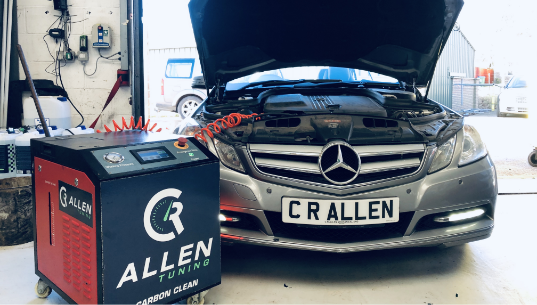
In this guide, we will explore the telltale signs that your engine might need a carbon clean immediately, the science behind different cleaning methods such as hydrogen cleaning machines, and the numerous benefits such services can provide. Whether you own a high-mileage vehicle or a modern hybrid, knowing how and when to tackle carbon buildup can make a significant impact in your car's longevity and performance. Let's explore the essentials of engine carbon cleaning and discover how it can enhance your driving experience.
Understanding Engine Coke Cleaning
Engine coke cleaning is a care procedure crafted to remove coke residue which form in an IC motor over the years. These deposits can collect in various parts, for instance the intake valves, combustion chamber, and exhaust parts, causing lowered motor performance and efficiency. The process typically involves using tailored solutions or equipment to dissolve and eliminate the carbon residue, revitalizing peak motor function.
The necessity for automotive carbon removal emerges because carbon buildup can negatively affect fuel combustion. When the motor's within parts are coated with carbon, it interferes with the air-fuel mixture, leading to poor combustion. This inefficiency can result in symptoms like decreased power, bad fuel economy, and irregular idling. By undertaking automotive coke removal, drivers can revitalize their vehicles, maximize performance, and enhance fuel efficiency.
Different techniques exist for engine carbon cleaning, including chemical processes and hydrogen-based systems. Each approach has its advantages and disadvantages, but the goal stays the same: to remove coke deposits without causing harm to engine components. Grasping the significance of engine carbon removal is essential for preserving vehicle durability, ensuring efficiency, and ultimately reducing on maintenance expenses.
Advantages and Myths of Engine Carbon Cleaning
Carbon cleaning offers several benefits that can boost vehicle performance and lifespan. One of the main advantages is the boost in fuel efficiency. By eliminating carbon deposits, the combustion process becomes more efficient, allowing the engine to use fuel more effectively. This can lead to significant savings at the pump over time. Additionally, carbon cleaning can improve overall engine functionality by restoring decreased power and efficiency, resulting in a smoother driving experience.
Despite these benefits, there are many myths surrounding engine carbon cleaning that can mislead car owners. One common misconception is that carbon cleaning is only essential for older vehicles. In reality, contemporary cars, particularly those with high-pressure fuel injection systems, can develop carbon deposits just as rapidly. Another myth is that all carbon cleaning methods are equally effective. Some methods are more reliable and beneficial than others, particularly expert hydrogen cleaning methods, which have been shown to provide better results compared to DIY methods.
Recognizing these benefits and clarifying the myths can help car owners make informed decisions about engine carbon cleaning. Many people believe that regular oil changes and consistent maintenance alone can prevent carbon buildup, but this is not always adequate. Investing in carbon cleaning services can be a proactive step in maintaining engine health, enhancing performance, and potentially reducing on future repair costs.
Practical Advice for Motor Care
Routine engine maintenance is essential to keep your car running efficiently. One important factor is to plan engine carbon cleansing at suitable intervals. Staying cognizant of your car's mileage and road conditions can aid you decide when it's necessary for a cleaning. Routine inspections and maintenance will guarantee that carbon accumulation does not become a major problem, preserving overall motor performance.
In addition, utilizing premium gasoline can substantially reduce the chance of soot accumulations developing in your motor. Fuels with detergents are designed to maintain your motor in better condition by hindering the build-up of soot and contaminants. Combine this with scheduled engine oil changes to trap impurities, and you will promote the sustained health and efficiency of your engine.
Lastly, consider your driving patterns. Visit the website and congested driving can lead to higher soot accumulation. If practical, include lengthier drives into your routine, permitting your engine to attain maximum functional heat levels. This not only assists burn off potential soot accumulations but also boosts fuel efficiency and produces cleaner emissions.