

Forex trading has become popular over the past few years, attracting veteran investors and newcomers eager to engage in the currency exchange market. Though the potential for profit is attractive, many new traders often find falling into common mistakes that can lead to substantial losses and disappointment. Understanding these pitfalls is vital for anyone looking to formulate a successful trading approach and steer through the complex mechanics of the forex market.
This piece intends to underscore the most frequent mistakes that new forex traders encounter and provide effective tips to steer clear of them. Covering the necessity of managing risk to the role of using leverage, we will examine essential concepts that can help you trade more effectively. If you're new to with beginner forex trading or you're seeking to improve your expertise, learning from the errors of those before you can put you to successful trading.
Comprehending Forex Fundamentals
Forex, or forex, is the largest financial market in the globe, where currencies are traded against one another. It operates on a non-centralized network, enabling market participants to purchase and sell currencies round the clock, 24 hours a day, five days a week. Unlike stock markets, the forex market does not have a common exchange, meaning transactions occur directly between participants via online platforms. This system provides tremendous freedom for investors, who can engage in currency trading from various geographical places.
To get started with forex trading, one must understand the fundamental concepts, such as currency pairs, exchange rates, and pips. A currency pair is made up of two currencies, such as EUR/USD, which shows how much of the second currency is needed to purchase one unit of the first-listed currency. Exchange rates fluctuate based on various factors, including economic indicators, market sentiment, and geopolitical events. A pip, which stands for 'percentage in point', is the smallest price movement that a given exchange rate can experience; understanding pips is important for calculating gains or losses.
Managing risk is a vital element of effective forex trading. Proper risk management entails determining how much capital to risk on a trade, employing stop-loss orders, and varying trading strategies. Beginners often overlook the importance of these strategies, leading to significant deficits and frustration. By adopting sound risk management strategies, traders can safeguard their capital and enhance their chances of lasting profitability in the forex market.
Common Trading Mistakes
A lot of new Forex traders get caught in the trap of over-leveraging their positions. Although leverage can amplify profits, it may also lead to substantial losses if not used wisely. New traders frequently do not fully understand the hazards related to high leverage, which can cause margin calls and wiped-out accounts. It is essential to use leverage carefully and to ensure that your risk management strategies consider its potential downsides.
Another frequent mistake is failing to develop a solid trading plan. A lot of traders jump into the Forex market without a clear strategy, often relying on tips or gut feelings. This absence of preparation can lead to rash decisions and emotional trading. A well-defined trading plan, including entry and exit strategies, as well as specific risk management rules, can significantly enhance a trader's chances of success and help maintain discipline during trading.
Lastly, numerous Forex traders underestimate the importance of ongoing education and adaptation. The Forex market is constantly evolving, influenced by various economic and geopolitical factors. Traders who do not take the time to stay informed about market developments and improve their strategies may find themselves at a disadvantage. Committing to ongoing learning and analysis is crucial to avoiding stagnation and ensuring that a trading approach continues to be effective in varying market conditions. spintax
Approaches for Success
One of the most essential strategies for achievement in Forex trading is to develop a solid trading plan. This plan should outline your trading goals, risk tolerance, and particular strategies. Incorporating a risk management approach, including stop-loss and take-profit orders, is essential to protect your investment. Additionally, it's important to backtest your strategies using past data to ensure they have the potential to be lucrative despite varying market conditions.
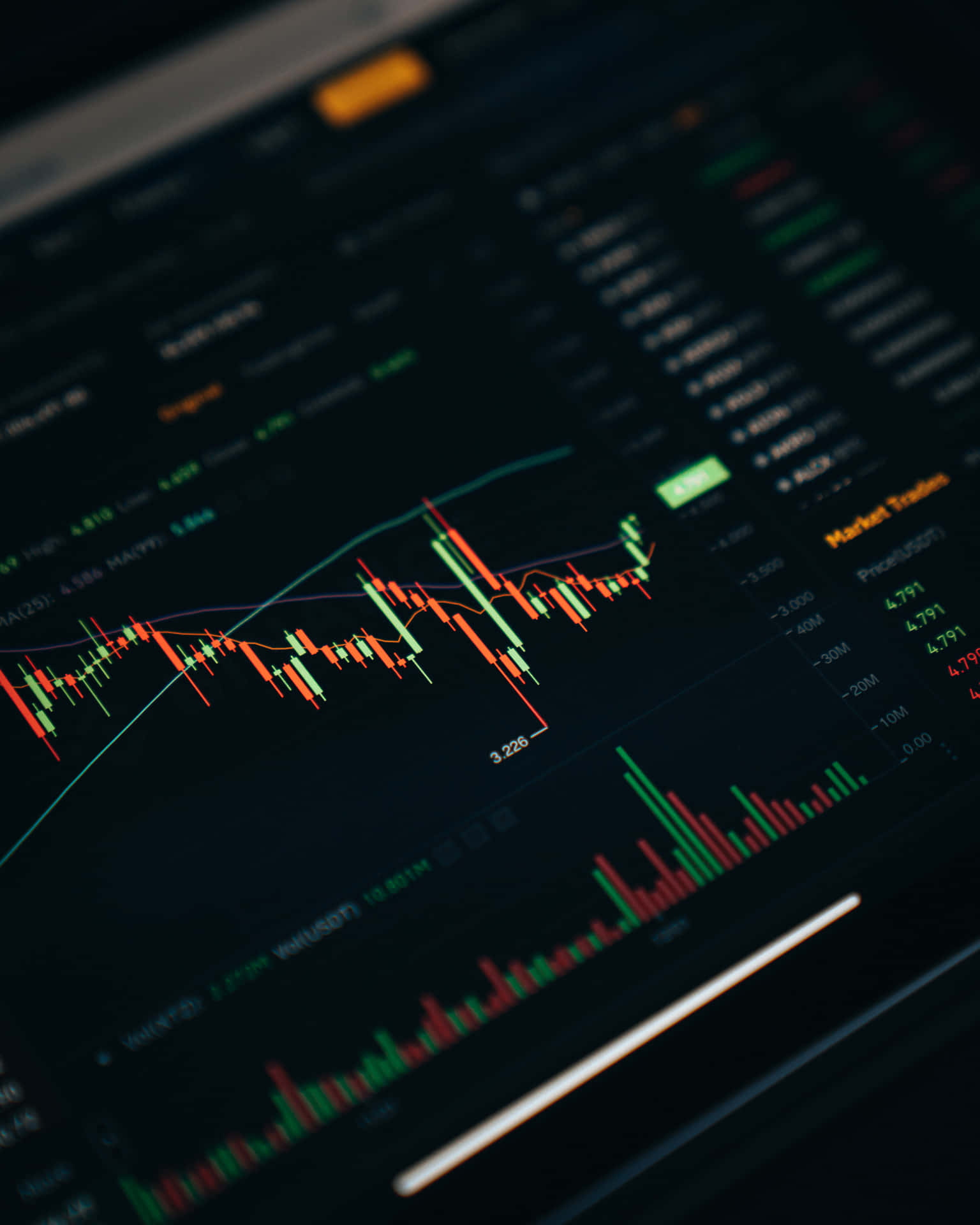
Another critical aspect is understanding the psychological side of trading. Successful traders maintain discipline and avoid making impulsive decisions based on mood. Cultivating patience and sticking to your trading plan, even during periods of loss, can substantially impact your long-term results. Engaging in a trading journal to document your trades and feelings can also provide important insights into your decision-making processes and help you learn from mistakes.
Lastly, staying informed about financial news and global events is critical in the Forex market. https://www.forexcracked.com/forex-ea/ can be influenced by conditions such as interest rate changes, inflation reports, and political instability. By learning how these factors affect currency pairs, you can make more educated trading decisions. Utilizing technical analysis and indicators can help you spot trends and entry points, combining these insights with fundamental analysis to enhance your trading strategy.