

Spray painting is a revolutionary technique that can breathe new life into your home decor, furnishings, and even your outdoor areas. Whether you're looking to refresh your worn-out furniture or give your walls a fresh coat, the art of spray painting allows for imagination and efficiency. With the correct approach, you can turn something dull into something amazing, making it an excellent choice for DIY enthusiasts and professional painters alike.
In this article, we will explore the basics of spray painting, from understanding the key tools and techniques to avoid common mistakes that can lead to unsatisfactory results. You will learn how to achieve a flawless finish, the benefits of using a base coat, and the numerous types of surfaces you can spray paint. Whether you are a beginner or a seasoned pro, our comprehensive guide will prepare you with the information you need to improve your spray painting projects to new heights. Let’s dive in and discover how spray paint can change your space with panache and flair.
Crucial Techniques for Spray Painting Achievement
Obtaining a perfect spray paint finish starts with meticulous preparation. Begin by choosing a properly ventilated area, whether inside or outside, that is free from dust and debris. Make sure to gather critical tools such as canvas covers, painter's tape, and a suitable spray paint tailored to your specific project. Properly cleaning and priming surfaces before painting is crucial, as this enhances adhesion and helps to guarantee a smooth, uniform coat. Always test your spray paint on a limited area to assess color and finish.
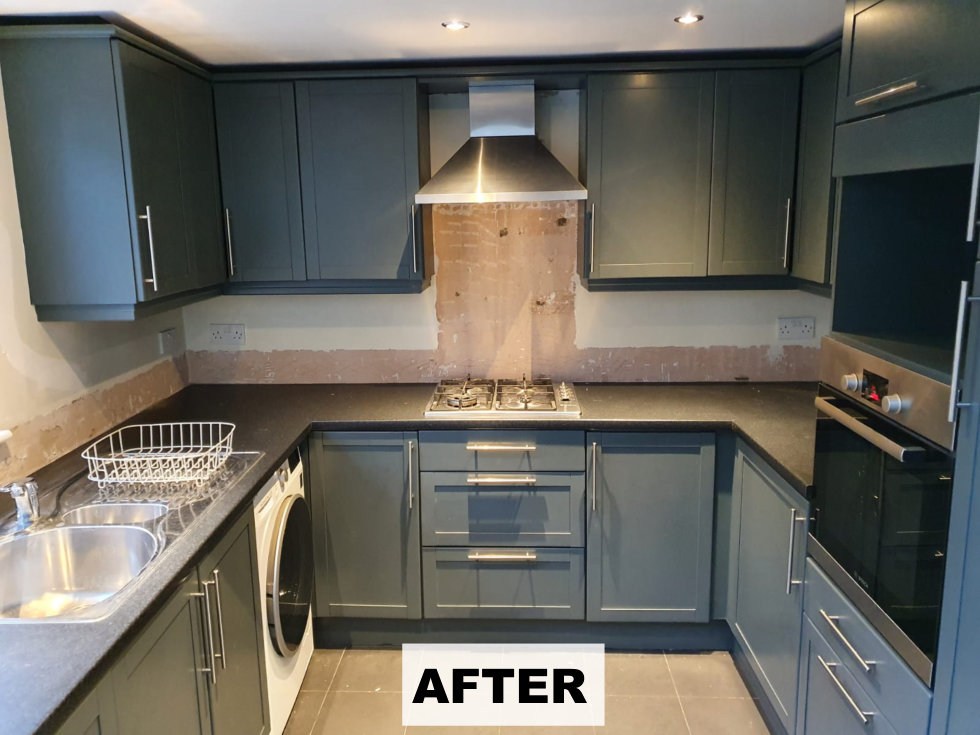
Then, the approach of applying spray paint plays a crucial role in the final result. Hold the can roughly six to eight inches off of the surface, and utilize a sweeping motion while maintaining a steady pace. Overlapping each pass slightly will aid achieve even coverage. Best Kitchen Spray Painting West Yorkshire to apply multiple light coats rather than a thick coat to avoid drips and runs. Allow ample drying time between layers to foster a resilient finish that looks professional.
Lastly, safety should not be overlooked while spray painting. Wearing safety equipment such as masks, gloves, and goggles is crucial to protect against harmful fumes and overspray. Be mindful of the weather conditions if painting outdoors; avoid windy days to stop debris from settling on your project. After completing job, ensure you clean your equipment meticulously to prolong its lifespan. Keeping these techniques in mind will lead you to spray painting success and allow you to transform your space beautifully.
Do-It-Yourself Tips and Techniques for Novices
Getting started with spray painting can feel overwhelming, but a handful of simple tips can make the task easier and more enjoyable. To start, always use a drop cloth or newspapers to protect the surface where you’ll be painting. This will save you from extra cleanups later. Additionally, make sure to shake the can well before starting and try out the spray on a test piece of cardboard to get a feel for the nozzle and the paint's flow. Doing this allows you to attain a smooth and even finish on your work.
Good surface prep is key to successful spray painting. Clean the surface thoroughly to clear any dust, grease, or old paint. For wood surfaces, think about sanding to create a stronger bond for the paint. If you are spraying metal or plastic, using a primer designed for those surfaces can enhance paint adhesion and longevity. Make sure not to miss the primer step; it not only prepares your surfaces but also gives you a more vibrant color output.
Lastly, refine your technique before jumping into your primary project. Hold the can about 10 to 12 inches away from the surface and use a smooth motion from left to right. This helps prevent drips and uneven patches. Remember to apply several thin coats rather than one thick coat for the best results. With a little patience and practice, you'll soon be changing your space like a pro.
Comprehending Aerosol Paint and The Uses
Spray paint is a versatile medium that has revolutionized the way we approach projects in residential enhancement, art, and commercial uses. It is made up of paint inside a high-pressure canister, allowing for consistent application on various surfaces. From altering furniture to adding a pop of color to walls, spray paint provides a smooth, high-quality finish that can easily elevate any object or space. The simplicity and the capability to cover large areas quickly make spray paint a favored choice for both professionals and home crafters.
One of the significant benefits of spray paint is its broad range of applications. It can be used on substrates such as metal, timber, synthetics, and even fabric, allowing for innovative projects that would otherwise require different painting methods. The preparation and choice of the right type of spray paint are crucial for achieving the specific results; for instance, choosing a paint specifically designed for metal surfaces will ensure enhanced adhesion and a more durable finish. Learning about the distinct features of spray paint helps users determine which type to use for their particular project.
In the past few years, the advancement of spray painting technology has led to sustainable options and enhanced mechanisms for accurate application. Many brands now offer reduced-VOC and eco-friendly formulas that minimize harmful emissions while providing outstanding coverage. This change not only supports sustainable practices in DIY projects but also meets the increasing demand for non-toxic and effective painting solutions. With the appropriate tools and techniques, any individual can harness the potential of spray paint to create stunning transformations in their living areas.