

Forex trading can be an thrilling yet daunting venture for newcomers looking to break into the realm of currency markets. With the potential for substantial profits and the lure of a highly fluid market, many are lured to trade currencies. However, comprehending the intricacies of this global financial arena is key to becoming a successful trader. From understanding how the market works to perfecting fundamental strategies, the path from novice to professional involves a challenging learning curve.
In this guide, we aim to shed light on the path for aspiring traders with thorough insights into the Forex market. We'll cover core concepts such as pairing of currencies, the role of leverage, and how economic news impacts trading decisions. Furthermore, we will examine effective trading strategies, risk management techniques, and the psychological aspects that can impact your trading success. Whether you are keen on day trading, swing trading, or even automated systems, this article will offer you with the expertise and resources necessary to navigate the Forex landscape with confidence.
Comprehending the Foreign Exchange Market
The Forex market, or foreign exchange market, is the largest and most fluid financial market in the world. ea forex works 24 hours a day, five days a week, accommodating traders across multiple time zones. In this market, money are traded in pairs, enabling investors to bet on the value of one currency against the other. The distributed nature of the Forex market allows for a considerable volume of trades, which contributes to its overall liquidity and accessibility for investors of all experience level.
Money are shaped by a multitude of considerations, including economic signals, interest levels, and political occurrences. Understanding how these factors interact is vital for making informed investment choices. For example, strong financial information from a nation can lead to an increase of its currency, while negative news may cause a decrease. This dynamic nature makes it important for investors to stay current with relevant news and developments, as market conditions can change quickly and influence currency valuations.
To move through the Forex market effectively, traders must become familiar with key concepts such as currency pairs, spreads, and market times. There are three main types of currency pairs: major, secondary, and unique. Major pairs include the most traded currencies, while minor pairs consist of rarely exchanged currencies. Exotic pairs include currencies from developing economies, which can be less stable. By understanding these elements, investors can develop tactics that align with their risk tolerance and trading objectives, ultimately setting the groundwork for their Forex trading journey.
Essential Trading Tactics and Methods
Proficient forex traders utilize a diverse set of approaches to maneuver through the dynamic market. One popular method is intraday trading, where traders trade currencies during the day to capitalize on short-term price fluctuations. This method requires quick decision-making and a thoroughly informed understanding of market trends. In contrast, swing trading focuses on seizing longer-term gains by keeping positions for multiple days or weeks, enabling traders to profit from price movements over a more extended period. Each strategy has its unique set of advantages and is tailored to different trading styles and risk appetites.
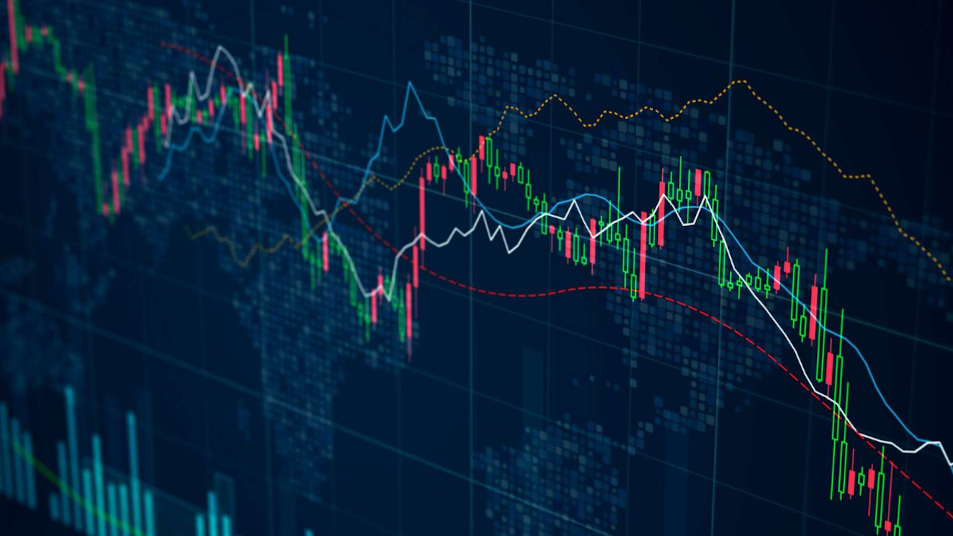
Chart analysis is another crucial technique in forex trading. By employing graphical representations and indicators, traders can detect trends and potential turnaround points in the market. Instruments such as MA, RSI, and MACD assist traders formulate informed choices based on price patterns and historical data. Understanding how to analyze forex charts like a pro not only supports in spotting trade opportunities but also boosts traders' ability to manage risk through well-informed entry and exit points.
Finally, successful forex trading depends on effective risk management. Implementing techniques such as setting stop loss and take profit orders is crucial to protecting capital and enhancing profits. Traders must also be aware of the risk/return ratio, making sure that potential gains justify the risks taken on each trade. Coupled with a strong trading plan and systematic execution, these strategies and approaches create a strong foundation for both novice and skilled forex traders striving to reach their financial goals.
Controlling Risks and Feelings in Forex
Profitable Forex traders depends not only on tactics and methods but also on proper risk management and emotional control. Traders must create clear guidelines for their investment exposure, ensuring they never risk more than they can afford to lose on a particular trade. Using tools like stop-loss orders can help safeguard against significant losses, allowing traders to set preset exit points. This organized approach fosters a better rational mindset, liberating traders from the anxiety of unexpected market movements.
Emotions can significantly influence trading choices, frequently leading to impulsive actions that disrupt a well-thought-out plan. Forex trading can evoke feelings of enthusiasm, panic, and irritation, especially during periods of increased volatility. Recognizing this psychological component is essential for maintaining calm. Traders should strive to remain rational rather than emotional. Methods such as mindfulness and frequent breaks from trading can help avoid emotional trading, allowing for crisper decision-making when the market warrants it.
Risk management and emotional balance interconnect, forming the foundation of a thriving trading career. Creating a well-structured trading plan that incorporates risk-reward ratios and emotional milestones can lead to enhanced outcomes. By developing patience and a sustained mindset, Forex traders can mitigate the impact of psychological stressors, making informed decisions based on data rather than impulsive feelings. Practicing this discipline will not only improve trading performance but also increase overall enjoyment and satisfaction in Forex trading.