

As we navigate the complexities of the modern world, one undeniable truth emerges: the way we manage waste is absolutely essential. The growing volume of waste generated by households, companies, and industries poses major difficulties that require immediate attention. https://notes.medien.rwth-aachen.de/OK7ioQzoT1OnfJN3Umvk-A/ is more than a requirement for ensuring hygiene; it is a vital component of sustainability and Ecological responsibility. By redesigning our waste approaches, we can pave the way for a greener tomorrow, in which resources are utilized more effectively and our impact on the environment is considerably lowered.
In this guide, we will look into a variety of waste management solutions that meet various requirements and situations. From understanding Wealth Management Saltash Cornwall of waste separation to examining advanced technologies transforming the industry, we aim to provide you with the knowledge and capabilities necessary to improve waste management practices. Whether you are a corporate manager seeking to adopt sustainable strategies or a resident seeking to reduce waste and reduce costs, the concepts outlined here will clarify the path ahead in our common goal for a cleaner, eco-friendlier planet.
Practical Refuse Management Methods
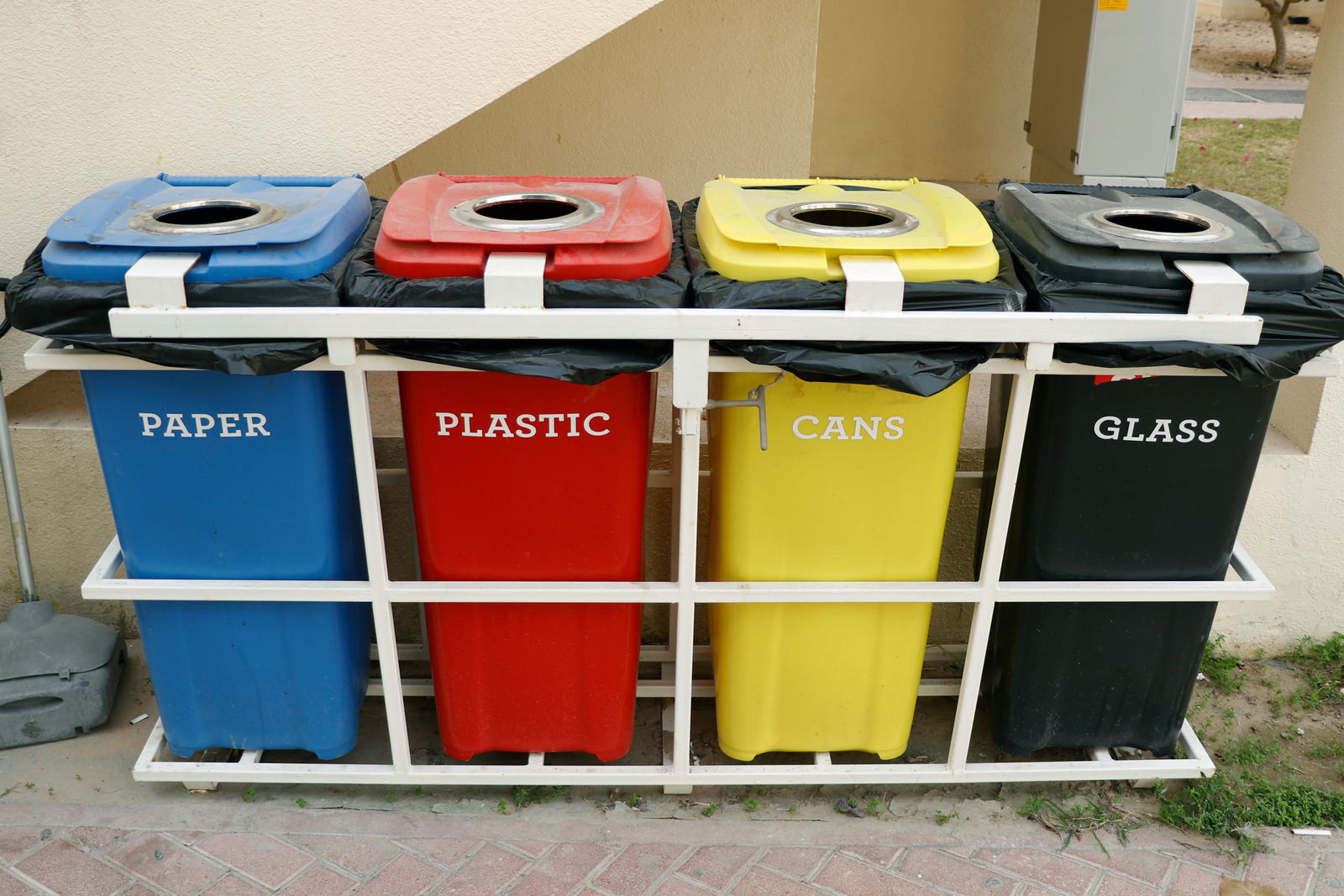
Adopting effective waste disposal strategies remains important to reducing the volume and consequences of refuse created. One main method is waste separation, which means sorting trash at the beginning into materials for recycling, organic trash, hazardous substances, and general waste. By educating people and companies on the necessity of this practice, we can significantly enhance recyclable material recovery levels and lower tainting in recyclables goods. Correct sorting not just boost recycling capability but additionally promotes mindful consumption behaviors, ultimately cultivating a culture of eco-friendliness.
A different strategy involves incorporating digital tools into waste handling processes. Developments such as intelligent bins that observe waste amounts and enhance removal plans can substantially minimize operational overheads and enhance productivity. Additionally, digital platforms that monitor refuse creation and management can help companies perform detailed refuse audits, pinpoint sections for growth, and develop specific refuse minimization strategies. By leveraging technology, organizations can more effectively study their refuse generation patterns and execute more successful approaches that coordinate with green goals.
Soil enrichment adds to a powerful strategy for handling organic refuse, encouraging soil reuse, and minimizing landfill load. Households and organizations can create composting programs to transform food scraps and garden trash into beneficial compost for gardens. This method not just reduces refuse and also enhances the ground, cutting the need for chemical fertilizers. By cultivating a lifestyle of organic recycling within neighborhoods, we can promote environmental action while adding to the greater goal of refuse reduction and sustainability.
Creative Trash Minimization Strategies
As companies and families increasingly recognize the importance of green practices, new waste reduction techniques have emerged as vital strategies. One efficient method is adopting a zero waste philosophy, which encourages people and entities to minimize waste generation at the source. This involves rethinking product concepts, minimizing packaging, and utilizing materials that are durable and conveniently recyclable. By focusing on resource efficiency and choosing for products that can be reconverted or repurposed, waste generation is greatly minimized, leading to a more eco-friendly consumption pattern.
Composting is another effective technique that turns organic waste into a useful resource. Households and companies can adopt composting systems to separate food scraps and yard waste from waste sites. This not only reduces the volume of waste but also yields nutrient-rich compost that can improve soil quality and foster healthier plants. Educating communities about the value of composting and offering easy-to-use resources can significantly enhance participation and impact on waste reduction.
Additionally, technology plays a key role in advancing waste reduction techniques. Smart waste management strategies, such as waste tracking apps and sensor-equipped receptacles, can help monitor waste generation and disposal habits. By utilizing data analytics, businesses can identify areas for development, optimize their waste management practices, and reduce overall waste output. Utilizing these technological developments fosters a culture of responsibility and promotes the continuous adaptation of waste reduction strategies, leading to a more eco-friendly future.
The Coming Era of Waste Disposal
As we move into the future, waste management is poised for significant transformation driven by technological advancements and a increasing awareness of eco-concerns. Developments such as artificial intelligence, intelligent sensors, and blockchain solutions are transforming the way waste is gathered, processed, and monitored. These technologies not only improve efficiency but also boost transparency in waste management systems, enabling better choices and distribution of resources.
Moreover, the concept of a recycling economy is gaining traction, prompting companies and communities to rethink waste as a resource rather than a burden. This shift promotes methods such as recycling, reuse, and composting, fostering a more sustainable approach to consumption. Awareness and involvement at the local and corporate levels are essential for this transition, as they enlighten individuals to adopt eco-friendly habits and promote green waste management programs.
The inclusion of eco-friendly practices into corporate strategies is also influencing waste management strategies. Companies are more and more recognizing that effective waste management can lead to cost savings, improved brand reputation, and compliance with regulations. By adopting sustainable packaging methods and creating comprehensive waste mitigation strategies, companies can help create a greener future while also benefiting their financial health. As we gaze into the future, the focus will be on building a resilient waste management system that promotes community wellness, eco-protection, and financial growth.