

Electrical inspections have a vital function in maintaining the security and functionality of houses and businesses. As we depend more on power systems for routine tasks, comprehending the value and details of these inspections becomes important. Whether you are a first-time buyer, a long-time property owner, or running a commercial establishment, being aware of the common pitfalls associated with electrical inspections can assist you in steering clear of financial pitfalls and guarantee the protection of your space.
In this write-up, we will explore what electrical inspections cover, when and why they are necessary, and the typical problems that happen during these assessments. https://crane-andersen-4.mdwrite.net/protectors-of-the-network-why-power-checkups-matter 'll also look into how electrical inspections can boost safety, elevate energy efficiency, and secure your investment in both domestic and business environments. By being knowledgeable, you can confirm that your property stays secure and in accordance with current regulations.
Comprehending Power Inspections
An electrical evaluation is a thorough analysis of a property's electrical system to ensure it meets up-to-date safety regulations, codes, and regulations. These evaluations are conducted by licensed professionals who evaluate various elements, including cabling, circuit breakers, receptacles, and grounding. The primary aim is to identify any possible risks that could pose threats such as shock hazards, fire, or harm to appliances.
Inspections are essential for maintaining safety in residential properties and business buildings. They help uncover hidden issues that may not be noticeable to the untrained eye, such as old electrical systems or overloaded circuits. By tackling these concerns beforehand, residents and property managers can prevent expensive fixes and improve the longevity of their power infrastructure. Inspections also play an important role when properties are acquired or sold, confirming adherence with regulations.
Routine electrical inspections add to complete energy efficiency as well. By identifying defective connections or poorly performing systems, they allow for improvements that can lead to reduced energy use. This not only aids in cutting on energy costs but also supports green practices. In the end, recognizing the value of electrical inspections is vital for individuals wanting to guarantee the safety and performance of their power setups.
Recurring Concerns and Safety Issues
Throughout electrical inspections, a variety of usual concerns often come to light that can present safety hazards. Among the most frequent problems are old wiring systems that do not comply with current codes and standards. This can lead to poor power supply and heightened risk of overheating or fires. Furthermore, loose connections and faulty circuits can result in dangerous conditions, leading to potential shocks or short circuits that can jeopardize both safety and property.
Another major concern is the presence ungrounded outlets, which not only breach electrical codes but also increase the risk of electric shock. Inadequate grounding can lead to appliances operating incorrectly or failing in case of a fault. Also, improper or absent surge protection can make electronic devices vulnerable to damage from power surges, leading to costly repairs or replacements.
Lastly, electrical panels that are not in accordance with regulations can present serious safety risks. Panels that are burdened or without proper labeling can make it hard to manage electrical loads properly. This can lead to overheating, potential fires, and higher risk of equipment failures, making it essential for residents and businesses alike to prioritize regular electrical inspections to tackle these frequent concerns and safeguard a safe environment.
Preparation and Conformance
Preparing for an electrical system inspection involves multiple key actions to ensure a smooth experience. Property owners should begin by assessing their system's electrical aspects and identifying any apparent problems, such as frayed wires or intermittent lighting. It's crucial to tidy up the evaluation space, to allow the inspector to reach the electrical panel, outlets, and other critical components of the system's framework. Additionally, homeowners need to collect any important documentation, including previous inspection reports or licenses for electrical work, to offer the evaluator with a complete overview of the property's electrical background.
Compliance with local codes and regulations is crucial for a successful evaluation. Property owners need to learn with the particular regulations applicable in their area, as these can differ widely. Ensuring that any past electrical tasks was done by certified experts and follows the latest regulations can prevent issues during the evaluation. If any significant renovations or setups have occurred, it may be wise to verify that they were reviewed and authorized by local authorities.
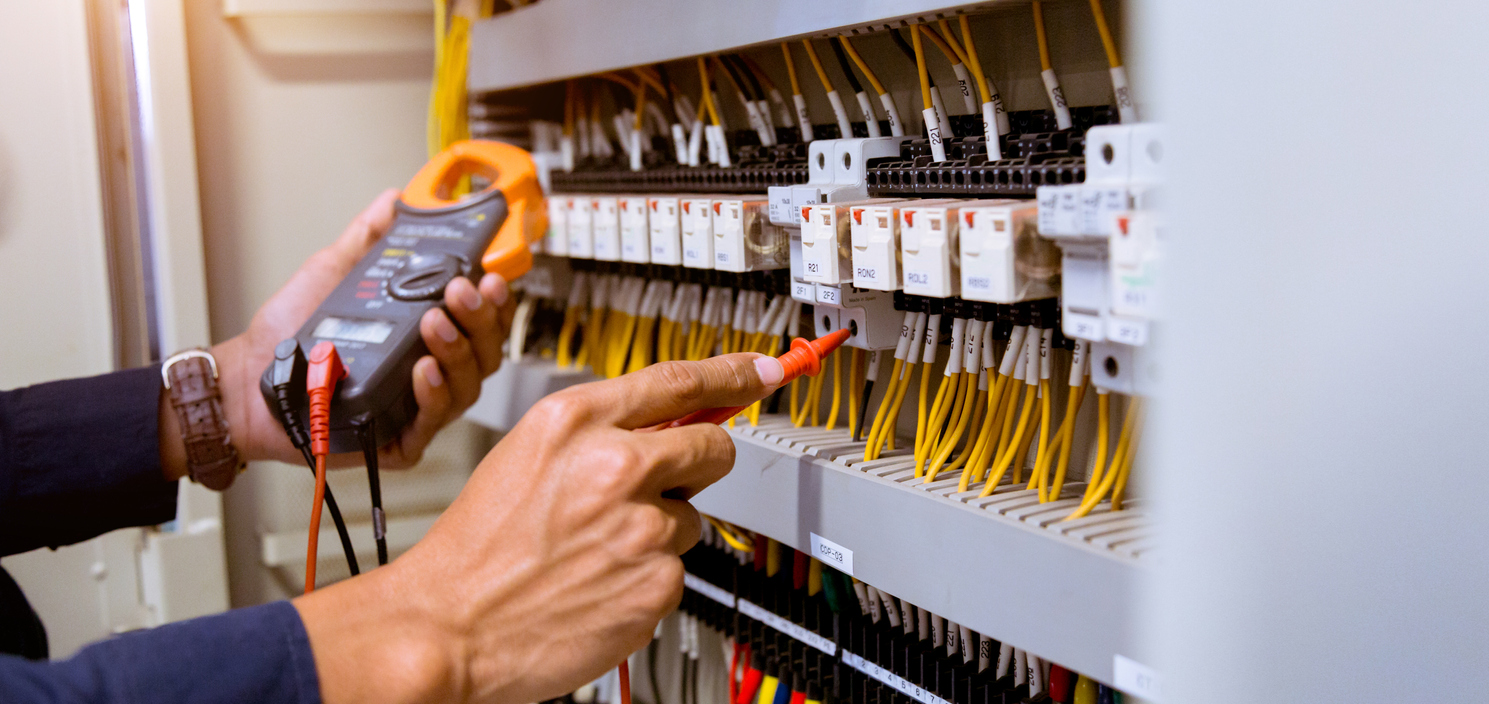
Finally, it's beneficial to communicate openly with the inspector during the process. Homeowners need to be ready to inquire and discuss concerns they may have about their system. Understanding what the evaluator is looking for can offer important information into ongoing maintenance and necessary upgrades. By being proactive in readiness and adhering to compliance standards, property owners can ensure a thorough inspection that promotes safety and efficiency in their systems.