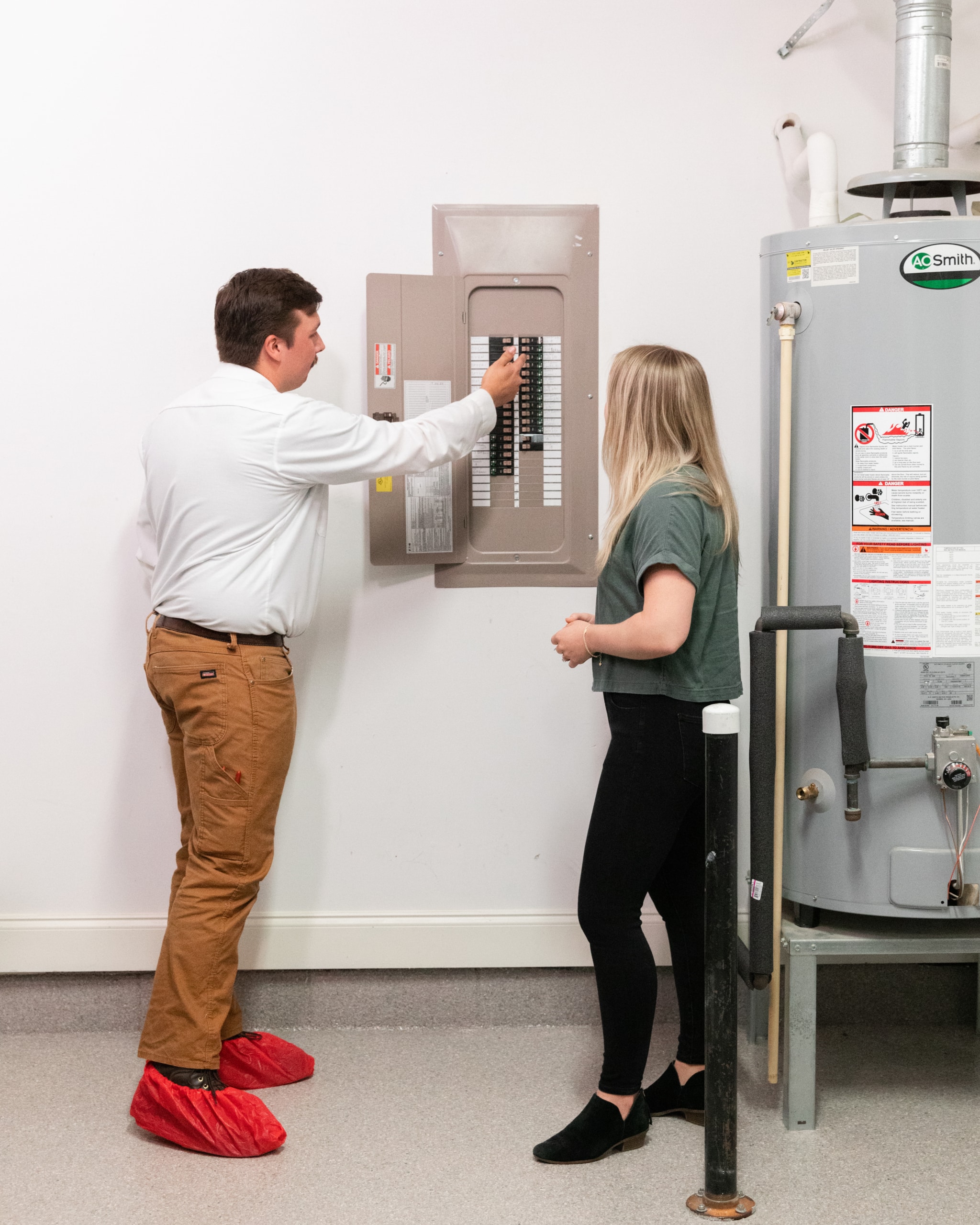
In fast-paced society, ensuring the safety and effectiveness of our electrical systems has never been more crucial. Whether you're a resident, a renter, or a business owner, grasping the importance of electrical inspections can help defend you from potential hazards and expensive surprises. An electrical inspection is a comprehensive assessment of your electrical system, intended to identify issues that could lead to hazardous situations, such as electrical fires or device failure. As our reliance on technology increases, so does the need for routine evaluations of our wiring and electrical fixtures.
Many people may neglect the significance of these inspections, but they play a crucial role in maintaining safety standards and guaranteeing compliance with current electrical codes. From new homeowners eager to settle into their dream house to seasoned property owners wanting to maintain their properties, a detailed electrical inspection can reveal common issues and offer peace of mind. This article will explore the different aspects of electrical inspections, including expectations during one, how often they should be scheduled, and the essential role they play in home safety and compliance. It is time to shine a light on the value of having your electrical systems inspected regularly, so you can experience a safe and efficient living environment.
Understanding Electrical Evaluations
Electrical System inspections are thorough assessments of a home's electrical setup, conducted by certified professionals to ensure safety and compliance with industry standards. During an inspection, electrical professionals examine the full setup, including conductors, distribution boards, receptacles, and lighting, looking for danger spots or non-compliance issues. Understanding what an electrical inspection entails is important for property owners, as it immediately impacts the safety and performance of their electrical infrastructure.
One of the primary causes for planning an evaluation is to detect common issues that can lead to dangerous situations, such as excessive loads, faulty wiring, or outdated components. These problems often are overlooked until they cause fires or significant damage. By spending in Electrician Inspection Condition Reports Fife , property owners can address these problems preemptively, reducing the chance of unfortunate events and guaranteeing their families’ safety.
Moreover, electrical inspections play a critical role when it comes to home sales and remodeling projects. Many regions require a comprehensive evaluation before a home is sold, helping purchasers make informed decisions about their potential investments. Also, residents starting improvements must follow current electrical codes, making evaluations necessary to verify compliance.
Realizing the importance of these assessments can help householders protect their homes and improve the lifespan of their electrical infrastructures.
Common Problems and Recommended Practices
During electrical inspections, certain common issues often occur, creating potential hazards for homeowners and tenants. Miswired sockets, outdated fuse boxes, and improper grounding are among the top concerns inspectors typically identify. Additionally, many homes display signs of frayed wiring or overburdened circuits, which can lead to electrical shorts or electrical fires. Identifying these problems early on is crucial for maintaining a safe living environment.
Resolving these concerns typically requires following best practices for maintenance and upgrades. Consistently inspecting and replacing old or damaged wiring prevents potential hazards. Homeowners should also confirm that all electrical work is performed by licensed professionals who follow local codes and regulations. Keeping a detailed record of electrical inspections, repairs, and upgrades promotes better planning for future inspections and support the tracking of the safety history of the property.
Furthermore, educating all household members about electrical safety is important. By understanding the signs of electrical problems, such as blinking bulbs or frequent circuit breaker trips, residents can respond promptly when issues arise. Promoting responsible use of electrical appliances, including avoiding outlet overloads and utilizing surge protection devices, can greatly mitigate dangers and enhance overall safety. Routine evaluations by professionals paired with proactive homeowner awareness create a strong foundation for safe electrical systems.
Security and Adherence Factors
Guaranteeing safety measures through frequent electrical inspections is important for all property owner. Electrical systems can wear over time, leading to potential hazards such as fires, electrical shocks, or equipment failures. Assessments help to find and resolve issues in advance, ensuring that systems function securely and effectively. By adhering to safety regulations and codes, homeowners and businesses can significantly reduce the risk of mishaps, protecting both lives and property.
Compliance with local construction regulations and regulations is a further vital component of electrical inspections. These codes are established to confirm that installations meet minimum safety standards. Non-compliance can result in fines, insurance issues, or even legal liability in the event of an event. Regular inspections serve to support adherence to these standards, ensuring that any electrical work conducted, whether by experts or DIY hobbyists, complies with regulatory criteria.
Including electrical evaluations into maintenance routines not just enhances security but also encourages ongoing compliance. As technology and regulations evolve, inspections can uncover areas requiring updates or upgrades, ensuring that properties stay up-to-date with the newest safety protocols. For both domestic and business properties, prioritizing electrical inspections cultivates a culture of safety and compliance, in the end benefiting everyone who interact with the building.